
INFRASTRUCTURE - Machining
Precision CNC Manufacturing at Riddhi Casting Pvt. Ltd.
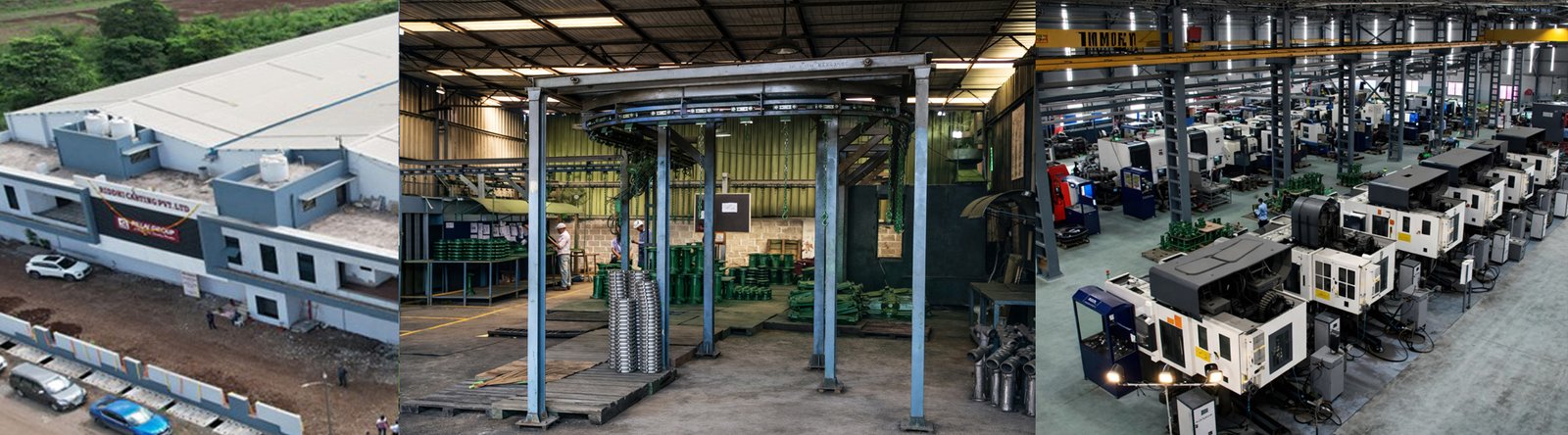
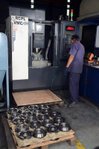
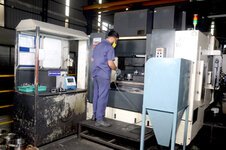
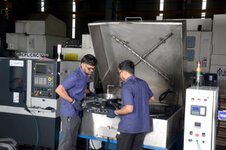
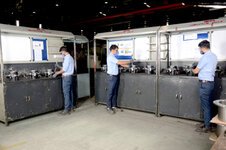
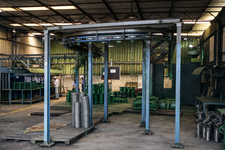
The Machine Shop at Riddhi Casting Pvt. Ltd. plays a critical role in delivering high-precision, fully machined SG iron automotive components to global OEMs and Tier-1 customers. Seamlessly integrated with our foundry operations, the machine shop enables a complete cast-to-finish manufacturing solution, ensuring quality consistency, reduced lead times, and superior dimensional accuracy.
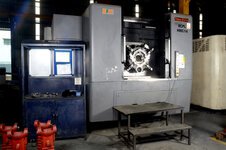
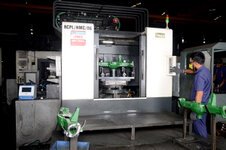
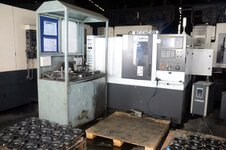
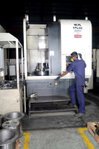
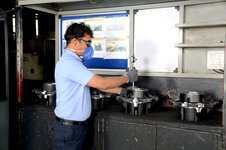
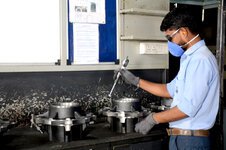
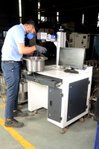
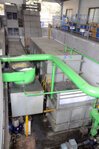
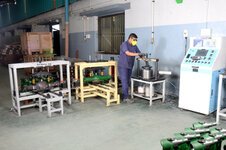
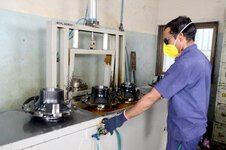
Our facility is equipped with advanced CNC machining infrastructure, including CNC turning centers, Vertical Machining Centers (VMC), Horizontal Machining Centers (HMC), and Vertical Turning Lathes (VTL). These machines are designed to handle complex geometries, tight tolerances, and high-volume production requirements typical of the automotive and heavy engineering industries.
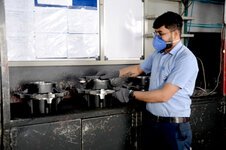
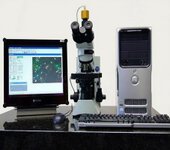
Precision machining at Riddhi Casting is supported by in-process inspection and strict quality control systems. Dimensional accuracy is verified using Coordinate Measuring Machines (CMM), precision gauges, and SPC techniques, ensuring every component conforms to customer drawings and international quality standards.
One of the key strengths of our machine shop is its close integration with the foundry, allowing better control over material properties, machining allowances, and final performance. This integrated approach minimizes outsourcing risks and ensures consistent quality from raw casting to finished component.
The machine shop supports a wide range of applications including axle housings, differential components, hubs, carriers, steering parts, and drivetrain assemblies for passenger vehicles, commercial vehicles, tractors, and off-highway equipment.
With a focus on productivity, accuracy, and continuous improvement, the Machine Shop at Riddhi Casting strengthens our position as a reliable automotive casting and precision machining partner in India.
Frequently Asked Questions About Machining
Machining is a manufacturing process that removes material
from a workpiece to achieve the required dimensions, shape
and surface finish. It can be used to finish cast components
according to their engineering specifications.
Machining may be required to achieve specified dimensions,
accurate fitting surfaces, holes, threads and surface finishes
that cannot be achieved through casting alone.
Customers can submit engineering drawings, dimensional
tolerances, material details and quantity requirements so
the manufacturing feasibility can be evaluated.
Machining tolerances define the permitted variation in a
component's dimensions. The required tolerances depend on
the engineering drawing, application and available
manufacturing and inspection capabilities.
Provide component drawings, material specifications,
required tolerances, surface-finish requirements, expected
quantity and delivery requirements. If available, include
the component's 3D model.
Visit the Contact page on the Riddhi Casting website and
share your drawings, specifications and production
requirements for further discussion.